
Solar heat film, Tampa
Heat Control Window Film in Tampa
In Tampa the hottest room in the house is almost always the one with west glass, and it peaks right before the afternoon storm rolls in. Heat control film goes on those windows first.
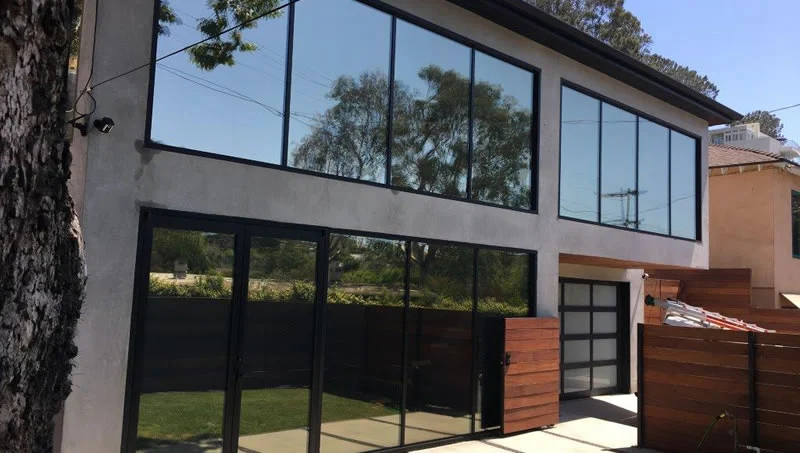 Tampa
How Tampa Sun Heats Your Rooms Through the Glass
Tampa's latitude puts the midsummer noon sun almost straight overhead. That sounds like the worst case, but a two-foot roof overhang shades a lot of south glass when the sun is that high. The real trouble comes later. From about two o'clock until sunset in summer, the sun drops into the west and shines nearly level into any window facing that way, and no overhang reaches far enough to stop it.
East windows catch the same low sun in the morning, though the house is cooler then and recovers faster. In winter the pattern shifts: the sun tracks across the southern sky at a lower angle, and south-facing rooms that were fine in August turn warm and bright from November through February. Good heat control planning accounts for both seasons.
Heat Control Film for Florida Rooms and Lanai Sliders
The Florida room is a Tampa staple: an enclosed porch at the back of a block house, often with glass on three sides and a slab floor. It was built to catch breezes, then got closed in and air-conditioned as an afterthought. It is usually the hottest room in the house and the one with the most glass.
Lanai sliders are the other hot spot. A pair of eight-foot doors facing the pool cage on the west side lets in an enormous amount of afternoon sun, and the pool deck reflects even more. Heat control film on that glass keeps the family room usable in the late afternoon, which is when most people actually want to use it.
On both, we usually suggest a spectrally selective film first. If you are willing to accept a darker view, a light reflective film rejects more heat. We tape samples on your glass so you can compare at the hour the room is worst.
Spectrally Selective Versus Reflective Heat Film in Tampa
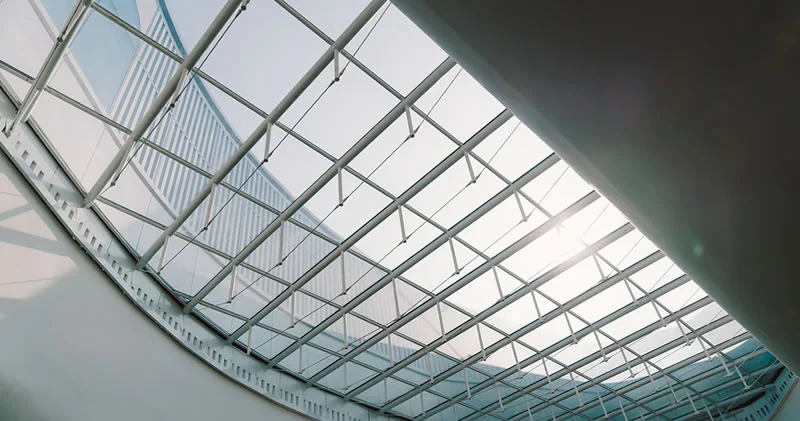
Spectrally selective films are built to pass visible light while turning back much of the infrared part of sunlight, which is where a large share of the heat lives. They look close to clear from both sides, keep the view of the yard or the water, and rarely draw comment from an HOA.
Reflective and dual-reflective films reject more total solar energy but look like a light mirror from outside in daylight. After dark, once the lamps are on indoors, that mirror stops working and the street can see into the room. In Westchase, New Tampa and other deed-restricted communities, mirror finishes facing the street are the thing most likely to get a letter, so we keep them to rear elevations unless the HOA agrees.
- Spectrally selective: near-clear look, strong infrared rejection
- Light reflective: more heat rejection, some mirror effect by day
- Dual-reflective: lower interior reflection at night
- Ceramic and neutral films: color-stable, low-reflective
Heat Control Window Film on Dual-Pane, Low-E and Impact Glass
Many Tampa houses built in the last twenty-five years have dual-pane windows, and a growing number near the bay have laminated impact glass. Both can take heat control film, but not every film. When a film absorbs a lot of solar energy, the glass under it gets hotter, and on insulated or laminated units that extra heat can stress the edges.
Before quoting, we identify the glass type, look for a factory low-E coating and check the seals. Then we match the film to the film maker's compatibility guidance for that glazing. If a pane is already cracked or a seal has failed and fogged, film will not fix it, and we tell you so before anything is installed.
Heat Film and Afternoon Storm Power Outages in Tampa
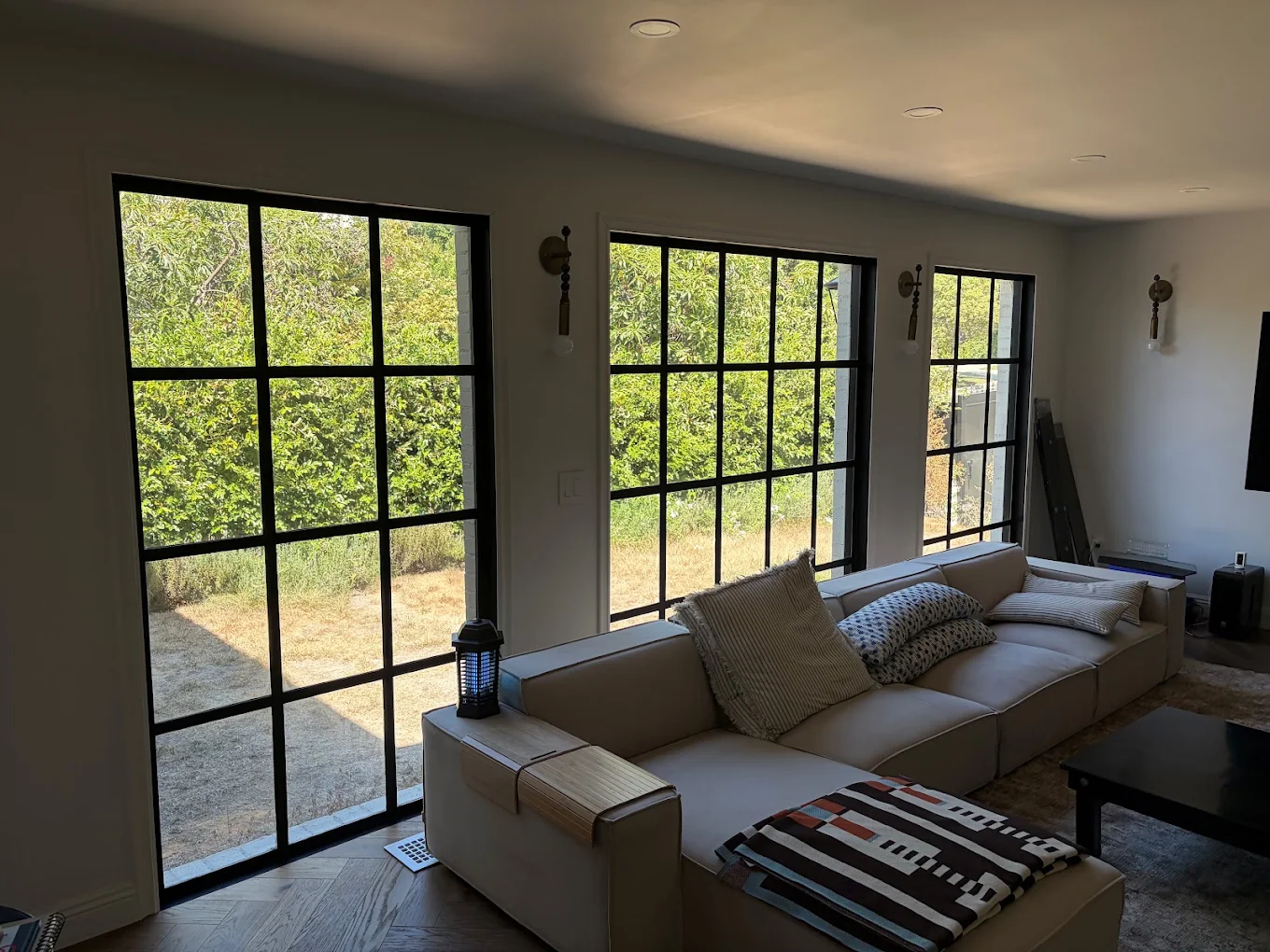
Summer storms here knock out power for a few hours often enough that people plan around it. A house with heat control film on its west glass gains heat more slowly once the air conditioning stops, so the rooms hold their temperature a bit longer while TECO or Duke crews restore service.
Film is not a backup cooling system and it will not keep a house comfortable through a multi-day outage after a hurricane. What it does is cut the solar part of the heat load every day of the year, which is the part you notice most when the power is off and the sun comes back out after the rain.
Heat Control Film Results in Tampa Houses
Cooler West Bedrooms in Tampa After 2 p.m.
Heat film on west and south glass reduces the solar energy reaching floors and furniture, so the rooms that used to run several degrees warmer than the hallway in the afternoon stay much closer to the thermostat setting.
Shorter AC Run Times With Heat Window Film
With less heat coming through the worst windows, the system cycles less during the hottest hours. That reduces strain on equipment that already runs for most of the year in Tampa's long cooling season.
Glass You Can Sit Next To
Untreated west glass radiates heat you feel on your skin from several feet away. After film goes on, the seat by the window becomes usable again, and the sofa does not have to move to the other wall.
Near-Clear Heat Film That Keeps the Bay or Pool View
Spectrally selective products turn back a big share of infrared while barely tinting the pane, so the pool, the yard or the water stays in sight and you skip the dark, mirrored look that older tints were known for.
Heat Control Window Film FAQs in Tampa
Which windows should get heat control film first?
In Tampa, start with west-facing glass, then large south windows and any Florida room or sunroom. East glass is next if morning heat bothers you. North windows rarely need heat film.
Will heat control film make my house darker?
Spectrally selective films barely change the light. Reflective films darken the view more. We put both on your windows so you can see the difference before choosing.
Does heat film help in a Tampa winter?
It reduces solar heat on south glass, which some people welcome in January. Winters here are short and mild, so the summer benefit is the main reason to install it. Low-E films add a bit of winter heat retention if that matters to you.
Can heat control film crack my windows?
It almost never happens with a film rated for that type of glass. Risk climbs on large dual-pane or laminated units paired with a high-absorbing film, which is why we check the glass first.
How long does heat control film last in Florida sun?
Interior film generally stays in service for well over a decade in normal conditions, with the term set out in the manufacturer's warranty. Exterior films wear faster in direct sun and rain.
Window film quote
Tampa Heat Control Film Pricing for Your Hottest Rooms
Name the rooms that overheat and the time of day they get worst, plus the direction and rough size of each window. The quote form takes all of it, and film suggestions with pricing follow by phone or email.