
Cooling-cost film, Tampa
Energy-Saving Window Film in Tampa
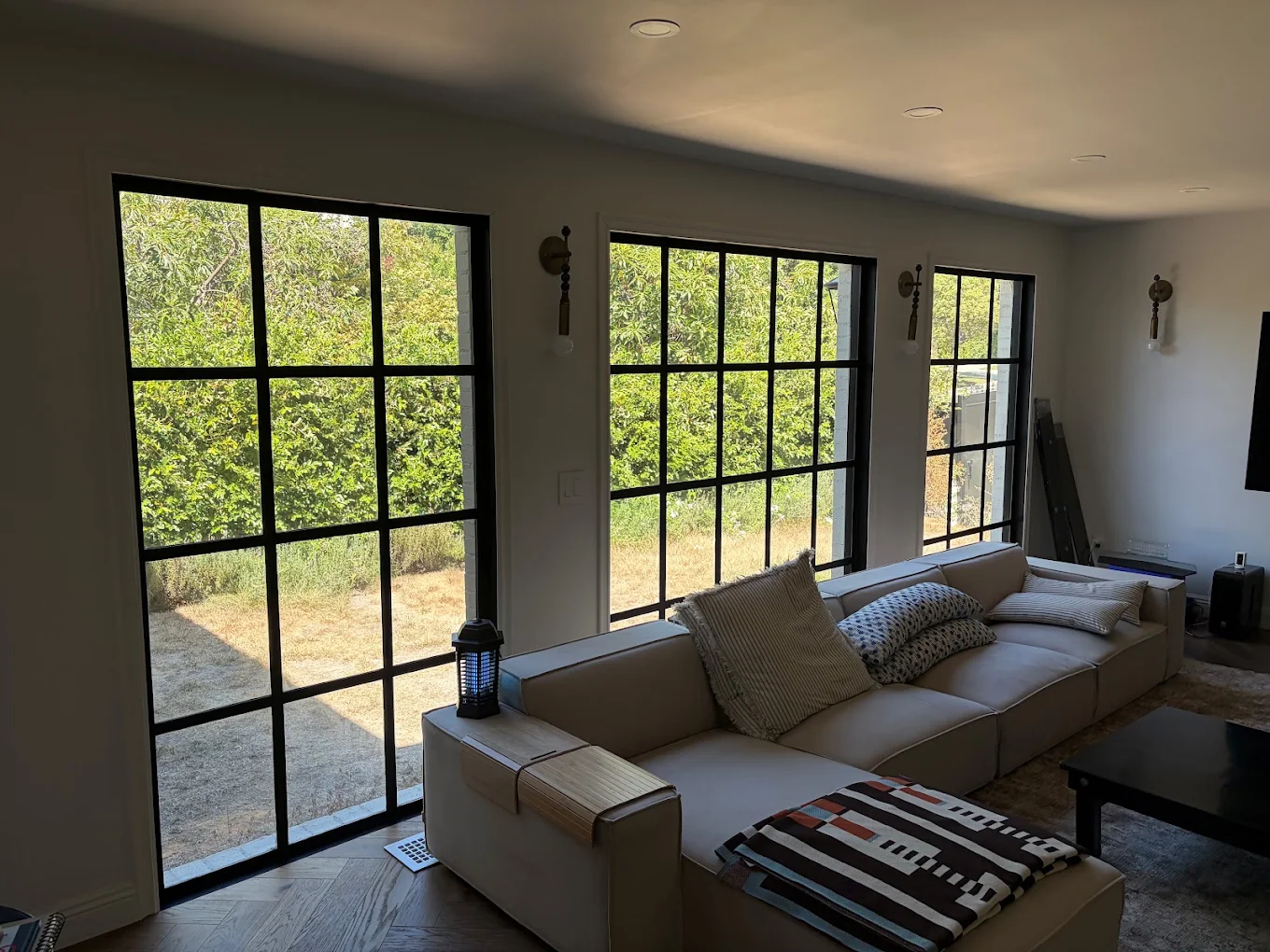
In Tampa the air conditioner runs from spring into late fall, and a big piece of what it fights comes through the windows. Energy-saving film trims that solar heat at the glass so the system does less work for most of the year.
 Tampa
Window Film and Tampa's Long Cooling Season
Tampa homes are cooling-dominated. Heating is a few cold mornings a year, while cooling runs for months, and on humid summer days the air conditioner also has to pull moisture out of the air. Electric bills from Tampa Electric in Hillsborough or Duke Energy Florida in Pinellas follow that pattern, with the highest charges coming in the hottest months.
Windows are often the weakest part of the building envelope. A block wall with some insulation keeps much of the sun's heat outside, while a single pane of clear glass lets a large share of it straight in. Treating the windows that take direct sun reduces the heat the house has to remove, and that shows up on the cooling side of the bill.
Which Tampa Windows Save the Most Energy With Film
Not every window is worth filming for energy. A north window under a deep porch roof gets little direct sun and saves little. A large west window with no shade, or a slider facing a white pool deck, takes heavy solar load every afternoon and is where film pays back best.
We look at orientation, shading from trees and neighboring buildings, the size of each window and the type of glass. Single-pane aluminum windows in older block houses usually see the biggest change, because they have no coating or second pane to slow heat. Newer dual-pane low-E windows already reject some heat, so film adds less, but it can still help on unshaded west and south glass.
- West windows and sliders with no shade
- Florida rooms and sunrooms with glass on several sides
- Large south windows that take low winter sun
- Single-pane aluminum windows in older homes
Being Honest About Window Film Energy Savings
We do not quote a savings percentage, because real results depend on too many things we cannot control: the size and age of your air conditioner, duct leaks, attic insulation, thermostat settings, how many windows are treated and how shaded the house already is. Anyone promising a fixed number without seeing your house is guessing.
What film reliably does is reduce the solar heat gain through the glass it covers. The film maker publishes a solar heat gain figure for each product, and we can show you the difference between your current glass and the filmed result. For a full picture, an energy audit from your utility or an independent auditor will tell you where film ranks against sealing ducts or adding attic insulation.
Energy Film, Comfort and Air Conditioner Strain
Comfort is often the first thing people notice. Rooms with treated west glass stop running several degrees warmer than the rest of the house in the afternoon, which means fewer people turn the thermostat down to compensate. That habit, more than anything else, is where hot rooms quietly drive up bills.
Lower afternoon peaks also ease the strain on the air conditioner during the hours it works hardest. Systems that struggle to keep up on August afternoons, when Tampa temperatures and humidity peak together, get a little more margin. That will not fix an undersized unit, but it helps one that is borderline.
Energy-Saving Film Versus Replacing Windows in Tampa
New impact windows bring storm protection, better seals and lower heat gain, and in many Tampa houses they are worth doing for those reasons. They also cost far more than film and take longer to install. For owners who are not ready to replace windows, film delivers part of the energy benefit on the glass they already have.
If you plan to replace windows within a few years, film may not be worth it on those openings. If replacement is a long way off, or the windows are in good shape and only the heat is a problem, film is the quicker, less disruptive path. We will tell you which applies to your house.
Energy-Saving Window Film Benefits in Tampa
Less Solar Heat Through Tampa Windows
Energy film reduces the share of sunlight that becomes heat inside, so the air conditioner has less to remove on the hottest afternoons. That benefit repeats every sunny day for most of the year.
Lower Cooling Costs on TECO and Duke Bills
With less heat to remove, cooling runs less during peak afternoon hours. The amount saved depends on your house, but the direction is consistent for unshaded west and south glass.
Even Room Temperatures After Window Film
Treating hot rooms brings them closer to the rest of the house. Fewer hot spots mean fewer thermostat adjustments and less overcooling of rooms that were already comfortable.
Window Film as a Faster Path Than New Windows
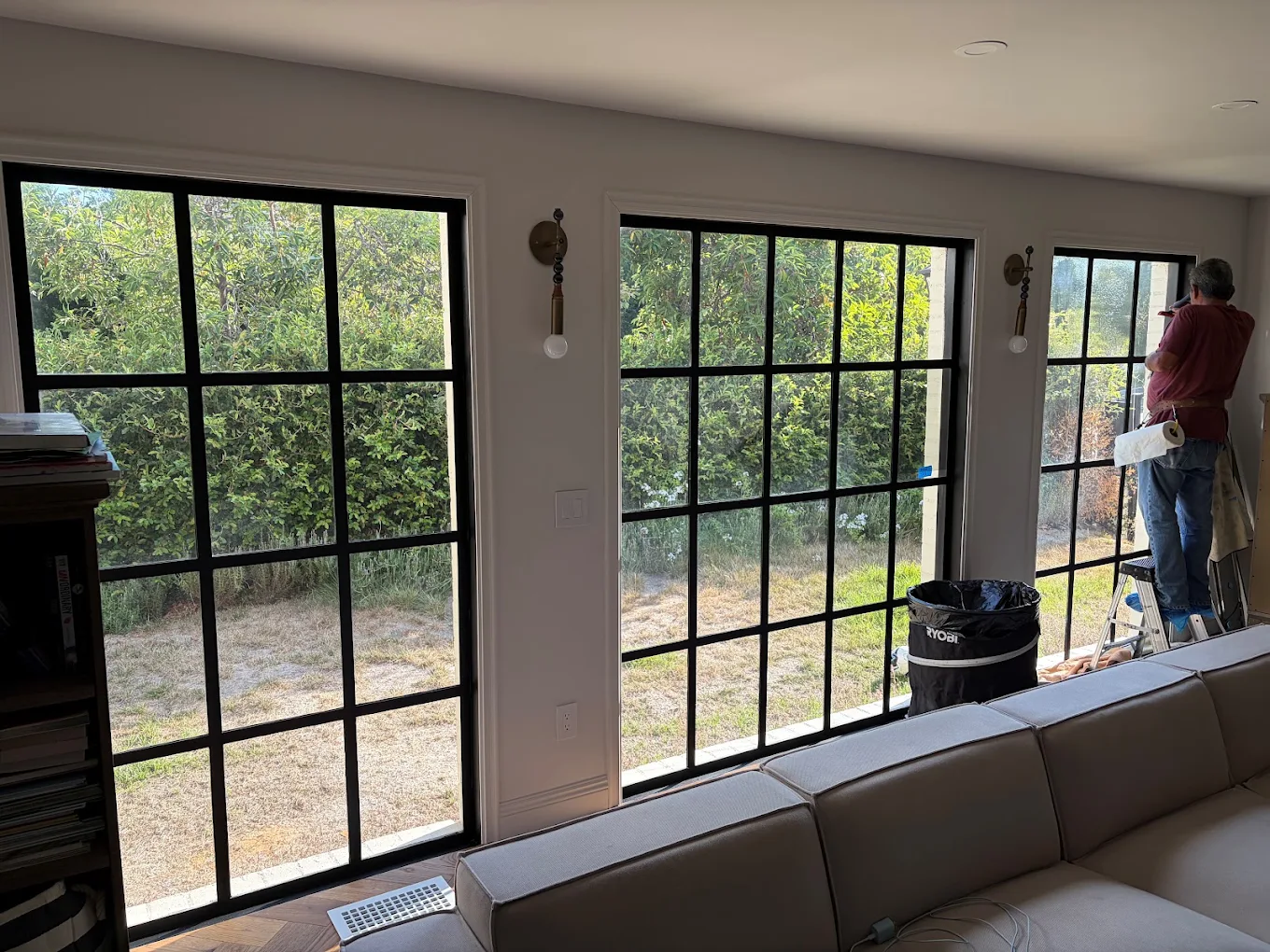
Film goes on in a day with no construction, no permits and no frame changes. It delivers part of the energy benefit of new glass while you decide whether full replacement makes sense.
Energy-Saving Window Film Questions From Tampa Homeowners
How will window film change my Tampa electric bill?
That answer lives in your house: which windows get treated, how shaded they are, and how healthy the cooling system is. We will not promise a number. The predictable part is less solar heat through treated glass, with the biggest effect on unshaded west and south windows.
Does TECO or Duke Energy offer rebates for window film?
Utility programs change from year to year, so check with your utility directly before buying. We can provide the film's published performance data if a program asks for it.
Is film worth it on low-E windows?
Sometimes. Low-E glass already rejects some heat, so film adds less. On large unshaded west glass it can still help. We check the existing coating before recommending anything.
Does energy film help in winter?
Tampa winters are short, so winter savings are small. Low-E films slow heat loss slightly on cold nights, but the main reason to install film here is summer cooling.
How long does it take for energy film to pay for itself?
Payback varies with the house, window exposure and electricity use. Rather than guess, we focus film on the windows with the most solar exposure, where the return is strongest.
Window film quote
Price Energy-Saving Film for Your Tampa House
Tell us which windows take the most sun and how old your windows and air conditioner are. Use the quote form to send rough sizes, and we will suggest where film will do the most.